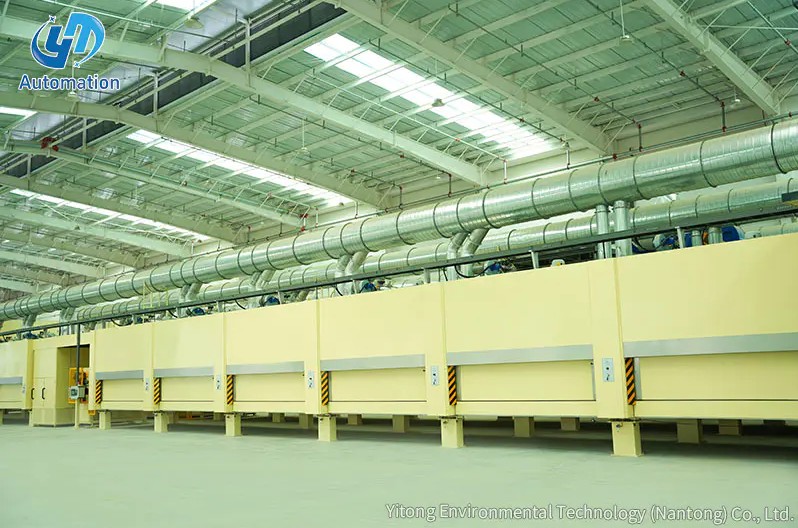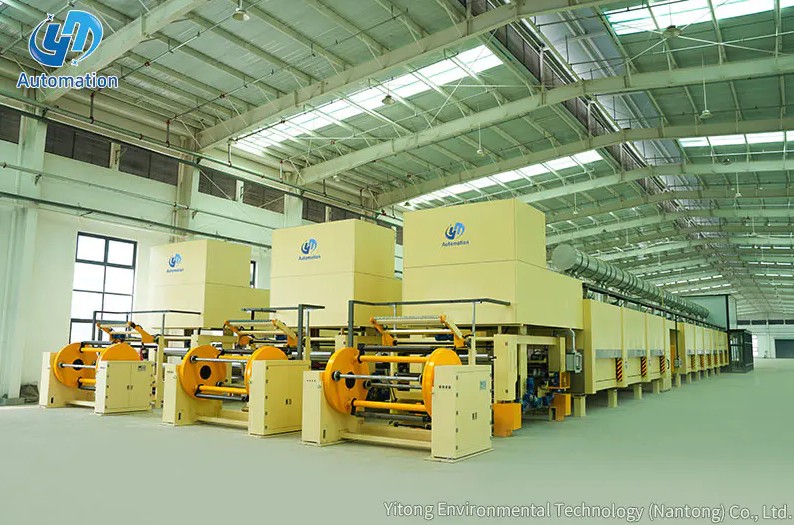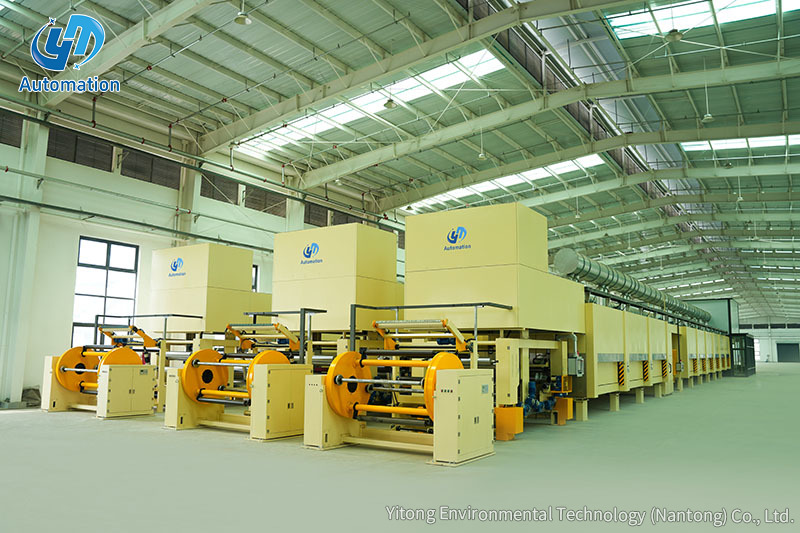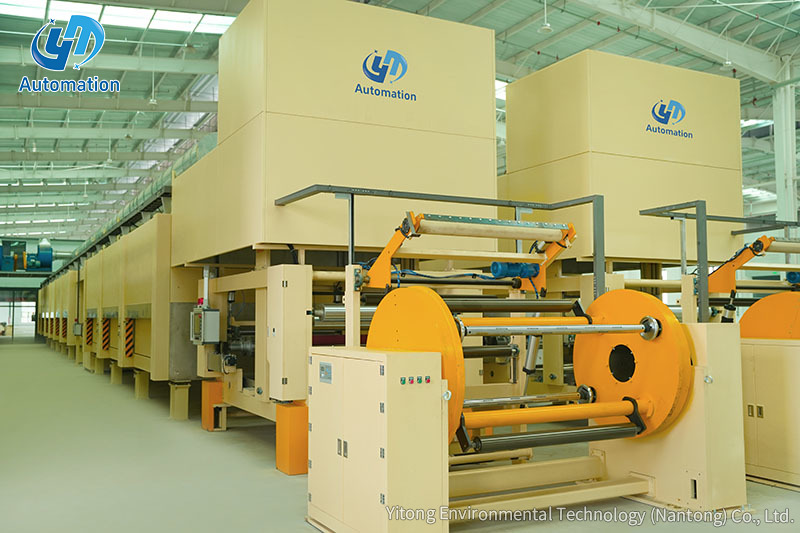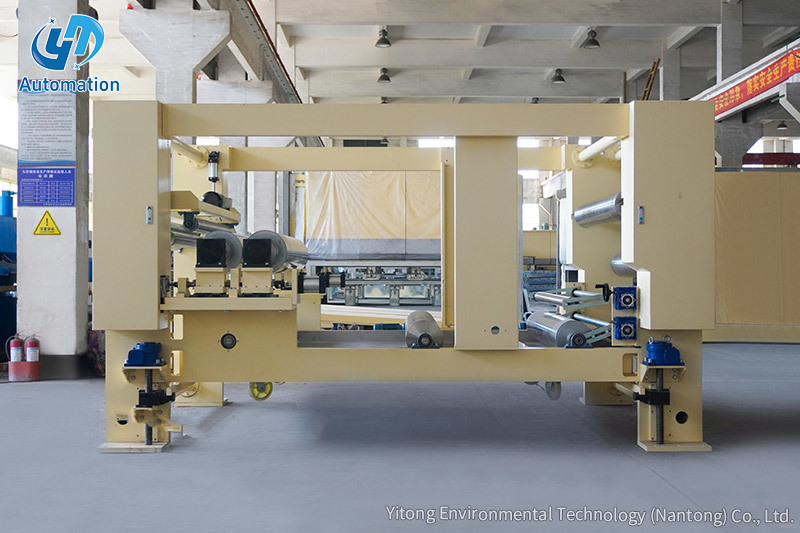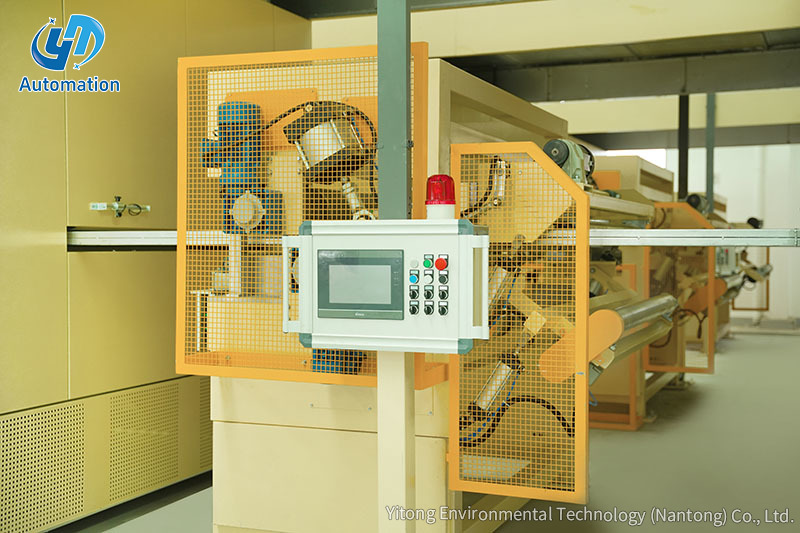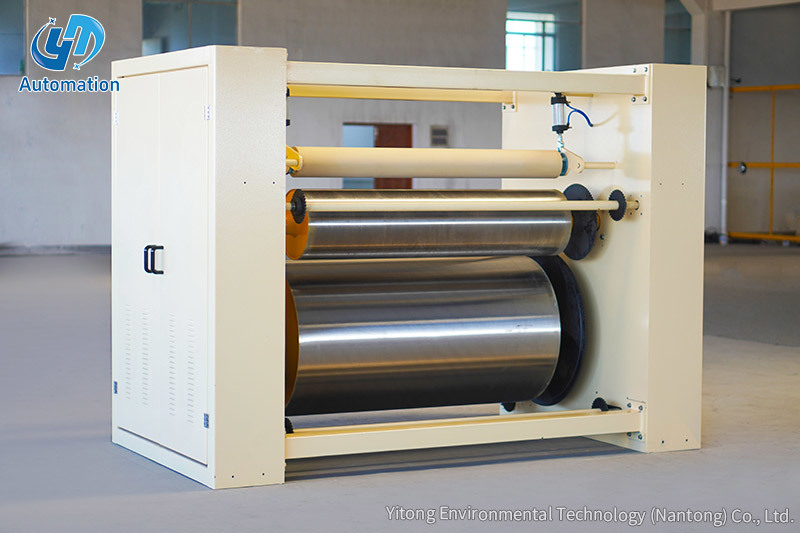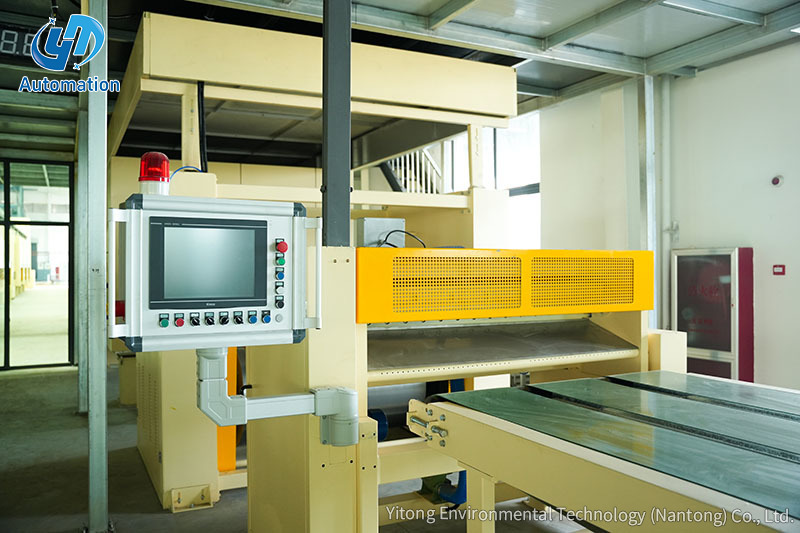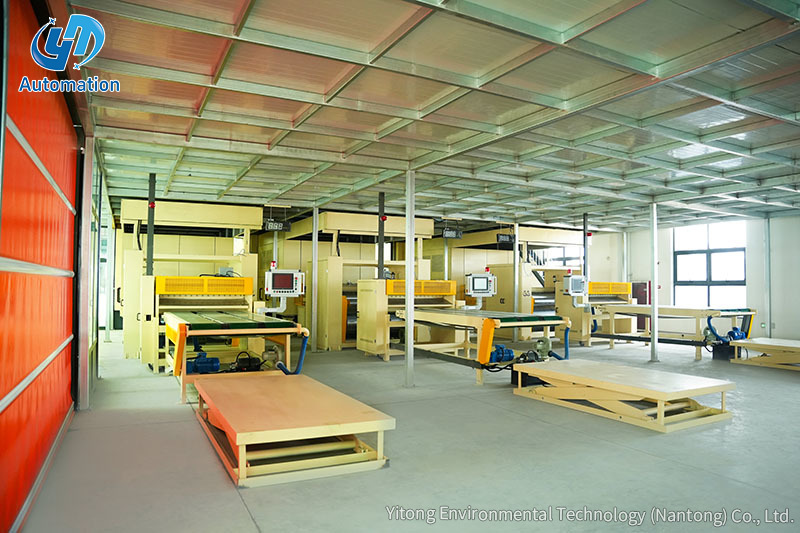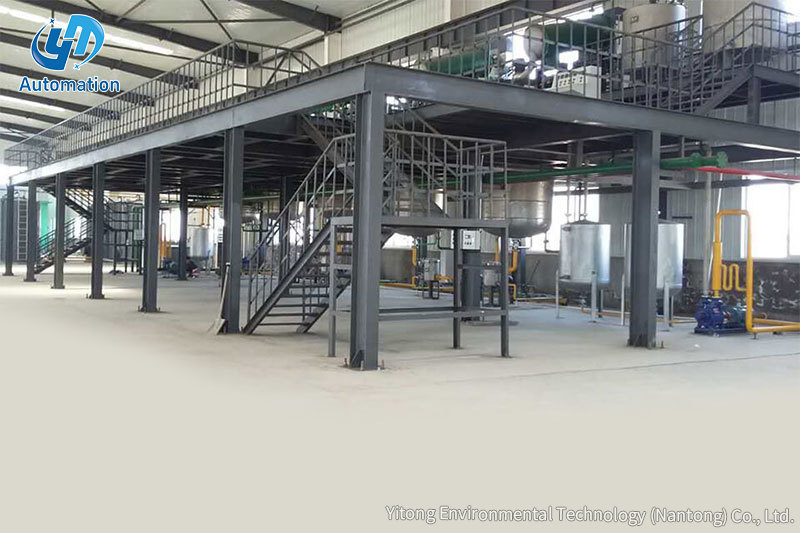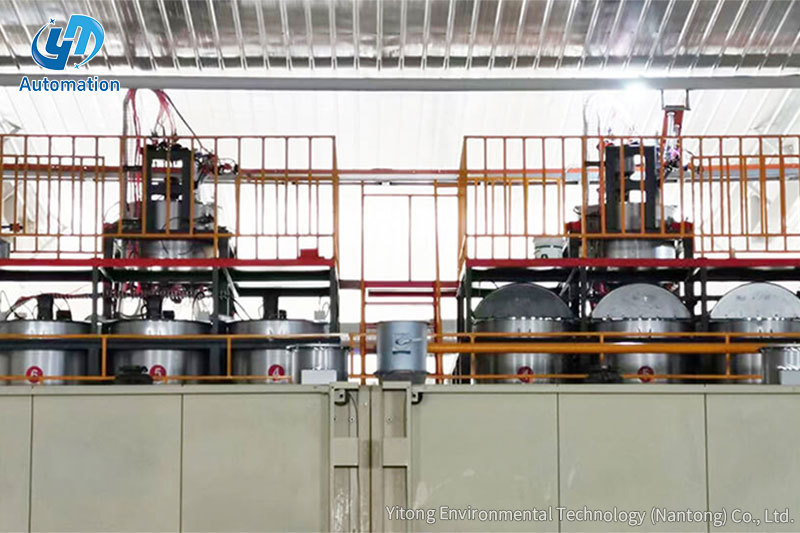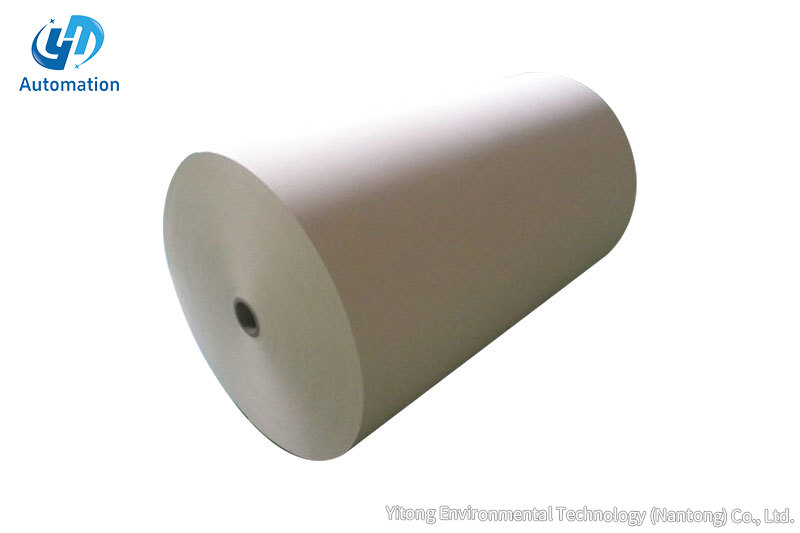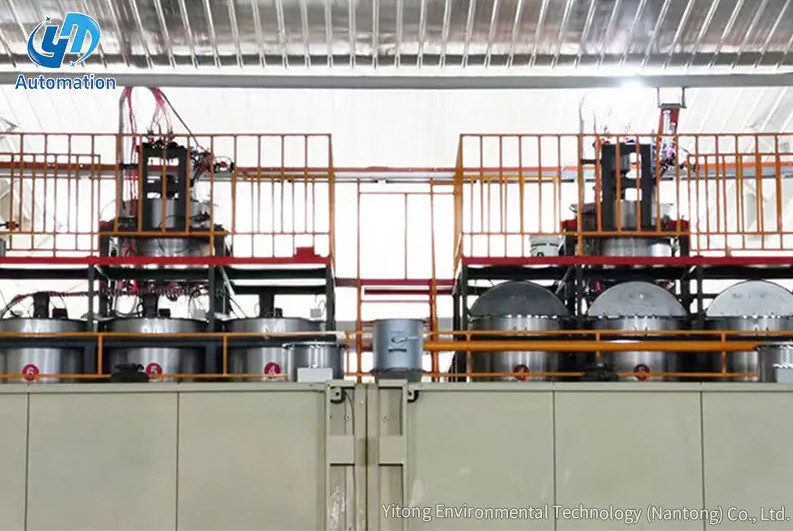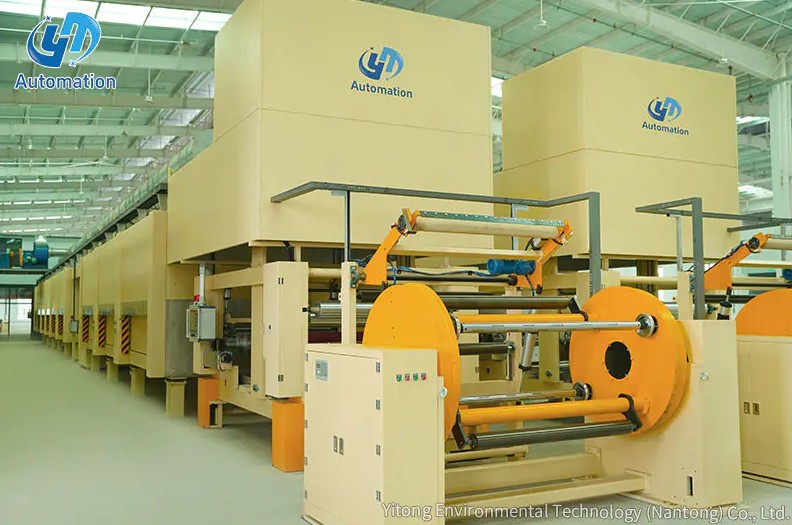
bir Emprenye Hattı Dekor kağıdı, kaplama kağıdı veya kraft kağıdı gibi kağıtları sıvı reçineyle doyurur, ardından levhayı kurutur ve kısmen sertleştirir, böylece daha sonra laminat parke, mobilya yüzeyleri veya yüksek basınçlı laminat levhalar yapmak için panellerin üzerine sıcak preslenebilir. Kağıt bir reçine banyosundan geçer, toplama ağırlığını kontrol etmek için ölçüm silindirlerinden geçer ve ardından sıcaklıkların tipik olarak yaklaşık 100 santigrat dereceden 160 santigrat dereceye yükseldiği çok bölgeli bir fırından geçer. Gevşemeden geri sarmaya kadar olan tüm döngü genellikle iki dakika kağıt türüne ve satır hızına bağlı olarak.
Hat uzunluğu, hız ve kontrol sistemleri üreticiye göre değişse de her emprenye hattı aynı temel aşama sırasını takip eder. Her aşamada ne olduğunu bilmek, kalite sorunlarını daha sonra teşhis etmeyi kolaylaştırır.
Ham kağıt ruloları, gerginlik sensörleriyle donatılmış bir çözme standına monte edilir. Tutarlı gerginlik, kırışmayı önler ve kağıdın reçine banyosuna girerken düz kalmasını sağlar; bu önemlidir, çünkü eşit olmayan gerginlik, baskıdan sonra dekor desenlerinin yanlış hizalanmasının ana nedenlerinden biridir.
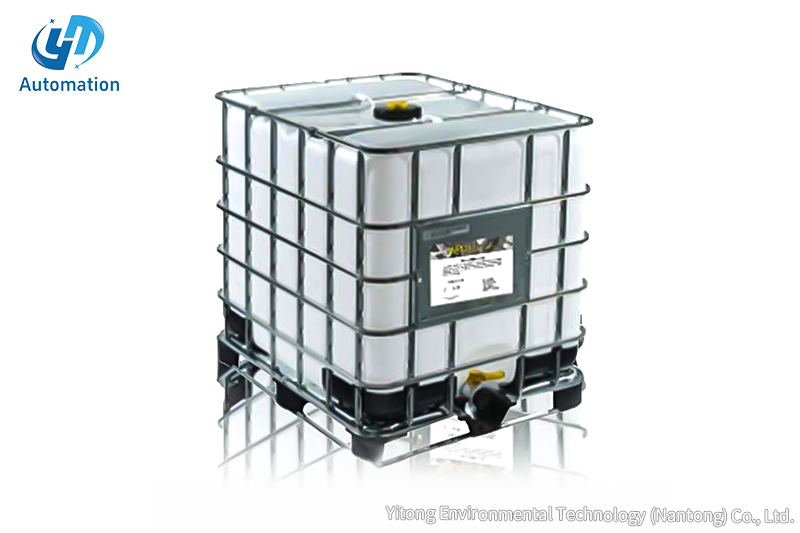
Kağıt bir reçine banyosuna batırılır veya bir boyutlandırma presi kullanılarak kaplanır, böylece reçineyi gözenekliliğine ve temel ağırlığına göre emmesi sağlanır. Dekor kağıdı, nihai reçine içeriğine ulaşmak için genellikle reçineyi emer. Ağırlıkça yüzde 25 ila 35 Avrupa Panel Federasyonu tarafından yayınlanan dekoratif laminat üretim kılavuzlarında yaygın olarak referans verilen bir seri.
Banyodan sonra ölçüm silindirleri, hedef toplama ağırlığına ulaşmak için fazla reçineyi sıkar ve ıslak tabaka daha sonra çok bölgeli bir kurutma fırınına girer. Kademeli sıcaklık artışları, nemi hapsedebilen ve son presleme adımı sırasında kabarmaya neden olabilen yüzey soyulmasını önler.
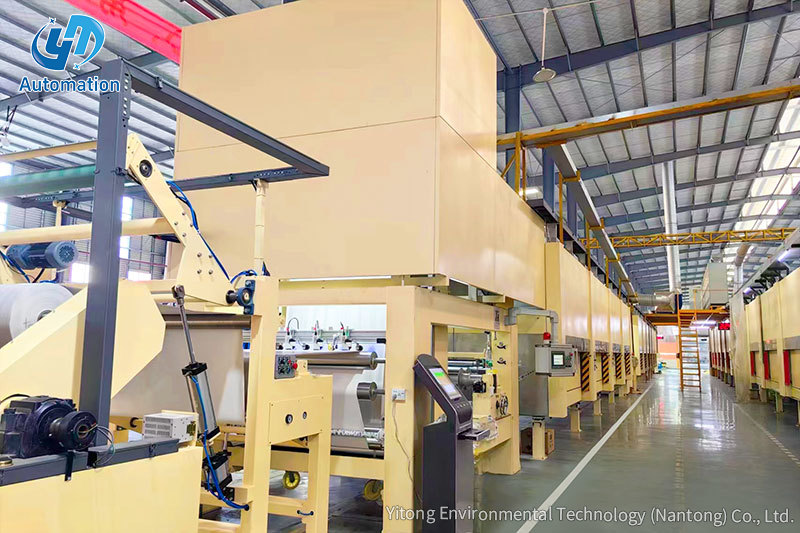
Fırın, hattın en kritik bölümüdür çünkü reçinenin ne kadar iyi kürleştiğini ve bitmiş kağıtta ne kadar nem kaldığını belirler. Çoğu fırın birden fazla ısıtma bölgesine bölünmüştür, böylece sıcaklık hemen en yüksek ısıya çıkmak yerine kademeli olarak artabilir.
| Fırın Bölgesi | Yaklaşık Sıcaklık | Amaç |
| Giriş bölgesi | 100 ila 120 santigrat derece | İlk nem buharlaşması |
| Orta bölge | 120 ila 145 santigrat derece | Aşamalı reçine kürleme |
| Çıkış bölgesi | 145 ila 160 santigrat derece | Soğutmadan önce son kürleme aşaması |
Kuruduktan sonra hedef kalan uçucu içerik genellikle etrafta tutulur yüzde 6 ila 8 , çünkü bu seviye, sıcak presleme sırasında kağıdın esnekliğini uygun yapışma kuvvetiyle dengeler. Bizim Emprenye Hattı bağımsız bölge sıcaklık kontrolünü kullanır, böylece operatörler fırını yeniden tasarlamaya gerek kalmadan farklı reçine türleri için bu eğriye ince ayar yapabilir.
Sertleştikten sonra kağıt, daha fazla işlem yapılmadan önce sıcaklığının dengelenmesi için bir soğutma bölümünden geçer. Nihai ürüne bağlı olarak, tabaka ya preslenmek üzere standart boyutlarda kesilir ya da depolama ve nakliye için rulolar halinde yeniden sarılır.
Farklı alt ürünler, farklı reçine sistemleri ve kağıt spesifikasyonları gerektirir; bu nedenle emprenye hatları, tek bir evrensel makine olarak inşa edilmek yerine genellikle belirli bir son kullanım etrafında yapılandırılır.
| Başvuru | Tipik Reçine | Kağıdın Temel Ağırlığı |
| Laminat parke aşınma tabakası | Melamin formaldehit | Metrekare başına 25 ila 40 gram |
| Mobilya dekor kağıdı | Melamin formaldehit | Metrekare başına 60 ila 130 gram |
| Yüksek basınçlı laminat çekirdek | Fenol formaldehit | Metrekare başına 150 ila 300 gram |
Bizim Emprenye Hattı bu kağıt kategorilerinin her birini işleyecek şekilde yapılandırılabiliyor ve bu da üreticilere ayrı makineler arasında geçiş yapmadan döşeme, mobilya ve yapısal laminat kağıt için tek bir üretim platformu sağlıyor.
Süreci anlamak aynı zamanda neyin yanlış gidebileceğini anlamak anlamına da gelir. Emdirilmiş kağıttaki kusurların çoğu, hattın belirli aşamalarındaki birkaç temel nedenden birine dayanmaktadır.
Gerilim sensörlerinin, ölçüm silindirlerinin ve fırın termokupllarının rutin kalibrasyonu, bu sorunların bitmiş panel kalitesini etkilemeden önce önlenmesine yardımcı olur.
Emdirilmiş kağıt tek başına bitmiş bir ürün değildir ancak ondan yapılan laminat panellerin yüzey kalitesini, dayanıklılığını ve görünümünü doğrudan belirler. İyi kontrol edilen bir emprenye işlemi, sıcak presleme aşamasında israfı azaltır ve üretim partileri arasındaki tutarlılığı artırır; bu nedenle kağıt fabrikaları ve panel üreticileri bu adımı basit bir kaplama işleminden ziyade kalite sistemlerinin temel bir parçası olarak ele alırlar. İyi tasarlanmış bir ürün seçmek Emprenye Hattı Başlangıçtan itibaren tekrar eden kusurların önlenmesine yardımcı olur ve uzun üretim süreçlerinde istikrarlı çıktıyı destekler.
Bize Ulaşın
Önerilen Ürünler
Hadi içeri girelim
Dokunmak
Yitong Environmental Technology (Nantong) Co., Ltd, emprenye ekipmanlarında uzmanlaşmış bir üreticidir.


Bize Ulaşın
Phone: +86-19555016088
Email: satış@ytinte.com
Add:Haiyan Yolunun Güneyi, Nanhai Yolunun Batısı, Tongzhou Körfezi Yangtze Nehri-Deniz Ortak Kalkınma Gösteri Bölgesi, Jiangsu, Çin